Harvesting is Berry Good, Part 3
To wrap up this discussion on harvesting the abundant wild berries in Norway, we will talk about some berries that were pretty exotic (to us). It has been such an education and delight to learn from our local friends which of these berries is best, the traditions around them and how to prepare them so that we may enjoy them in the coming winter.
Red Currant: (norsk: rips [r ih p s])
Small, red, opaque, tart and tangy.
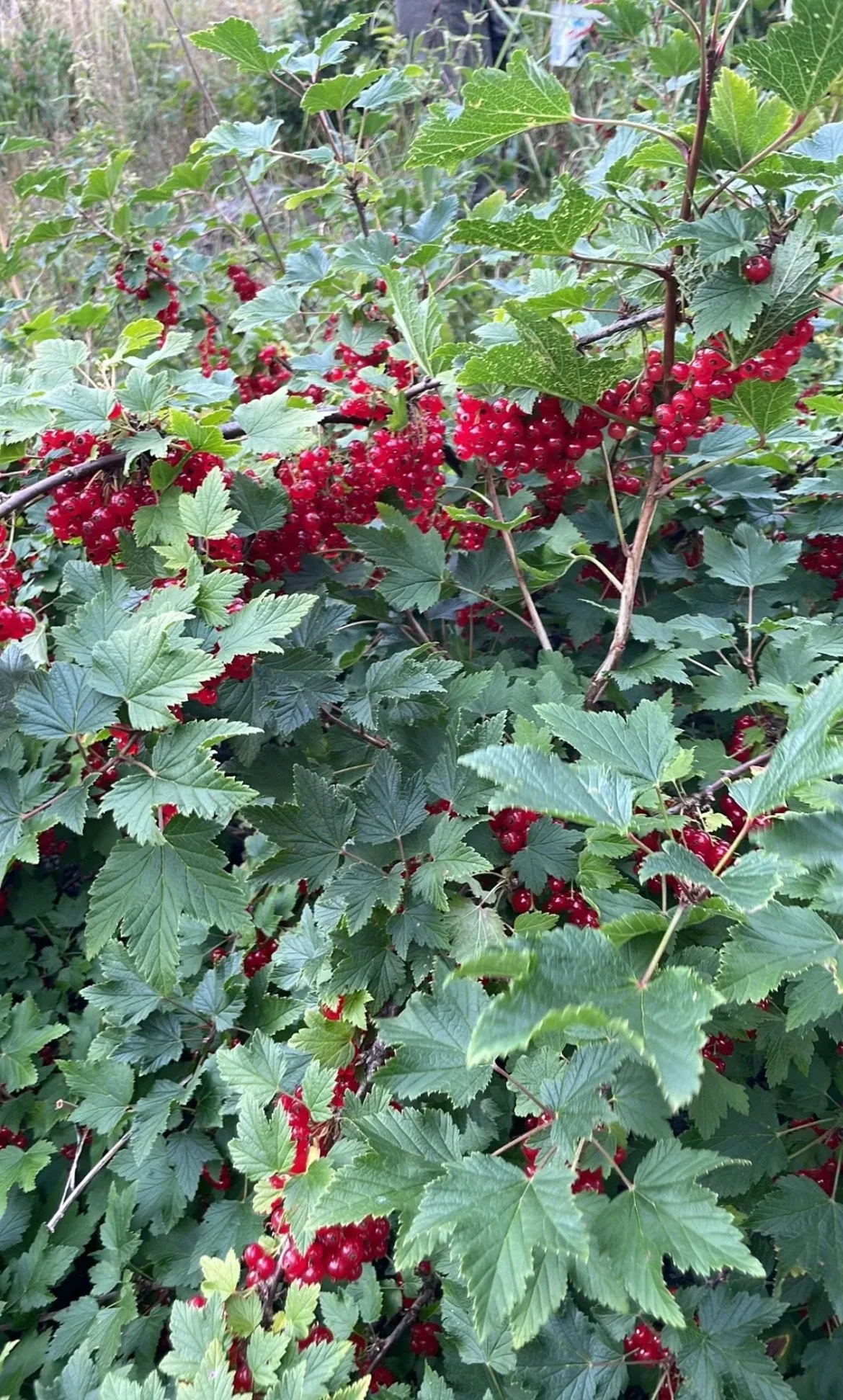
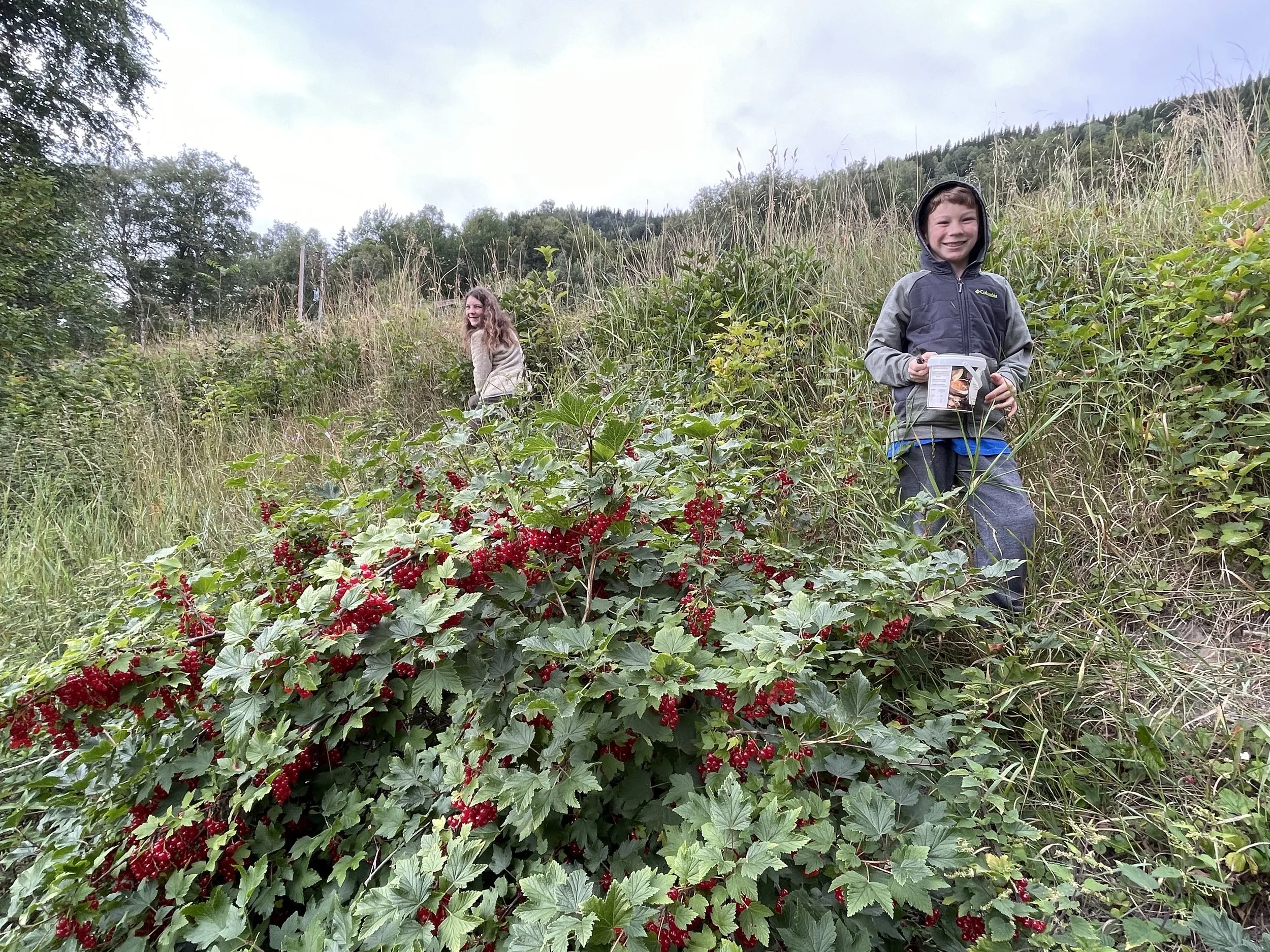
This berry seems to be in everyone’s garden. In fact, my mother had a red currant bush in her garden. Unfortunately, I despised picking from this bush in my youth. After enjoying the ease of foraging for these red jewels with my family and friends in Norway and seeing how simple it is to make something delicious out of their juices, I owe my mother an apology.
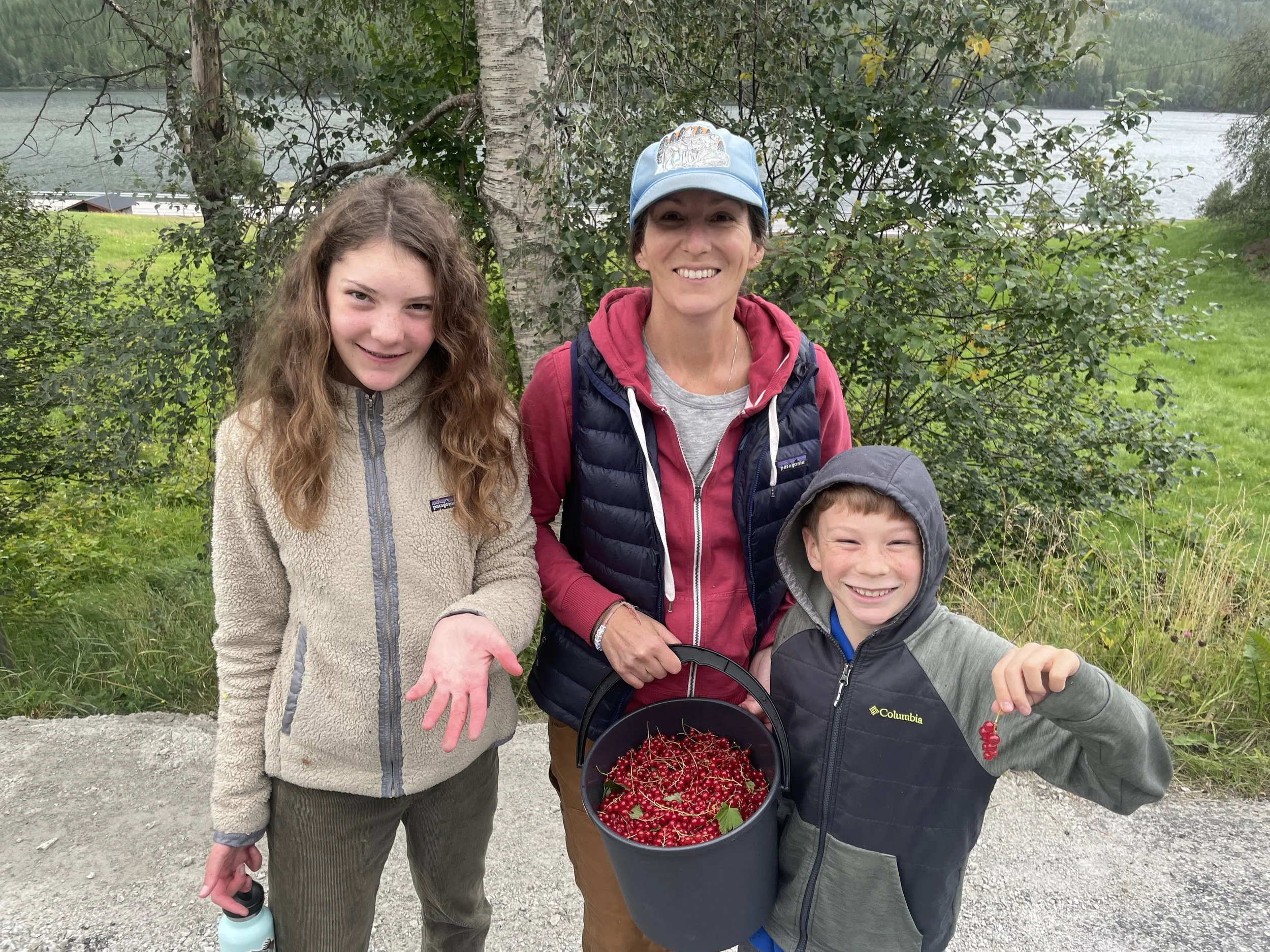
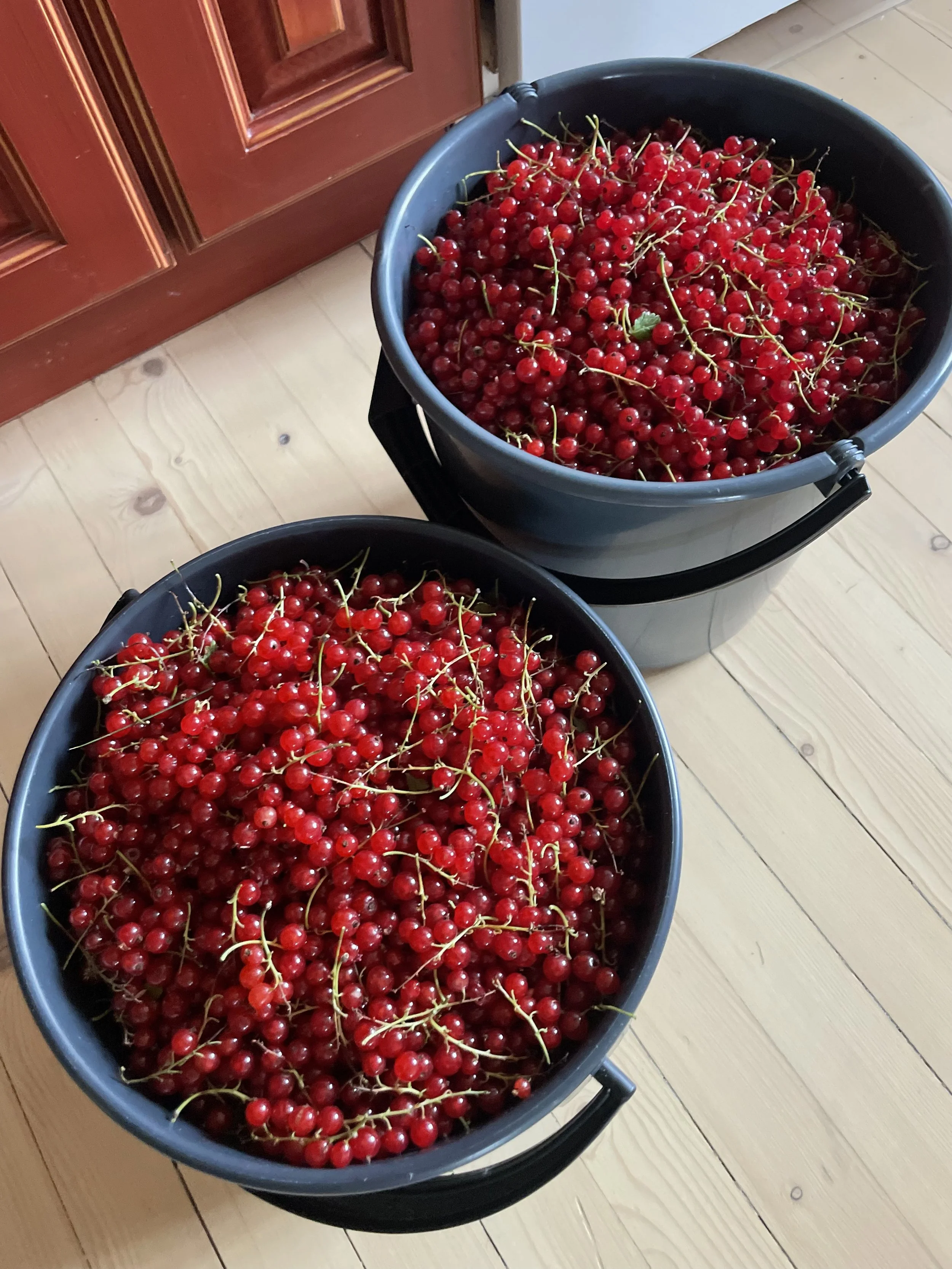
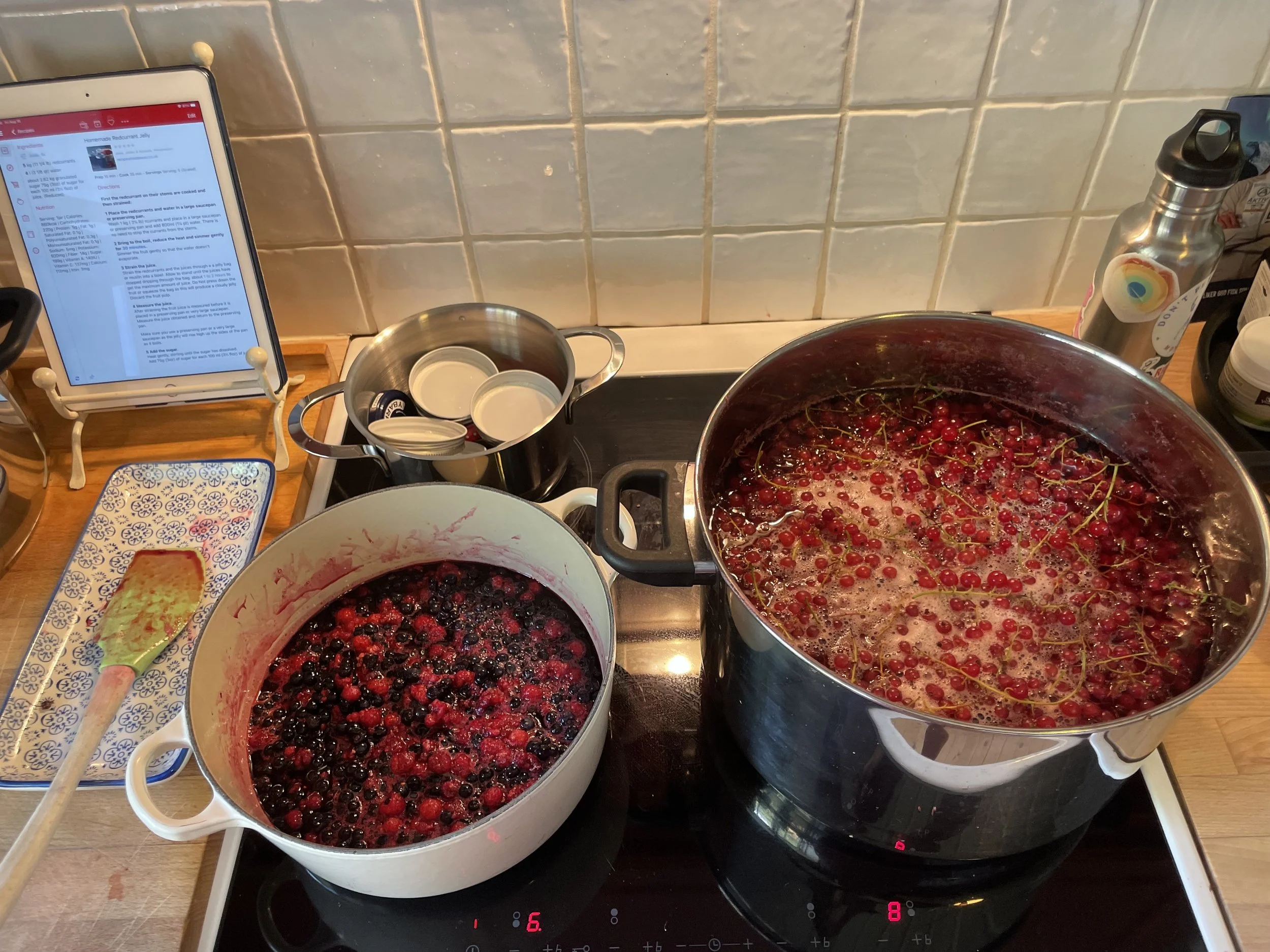
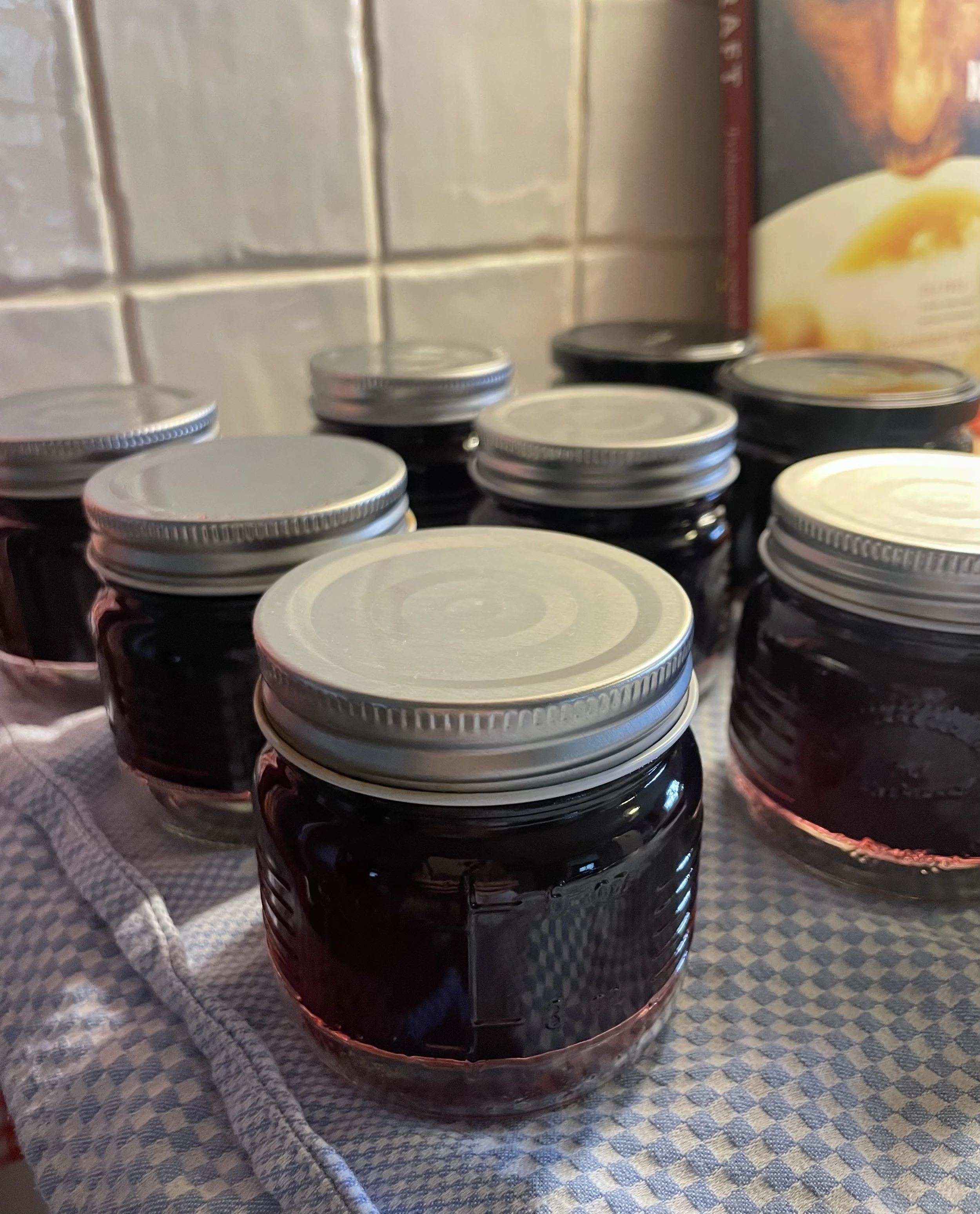
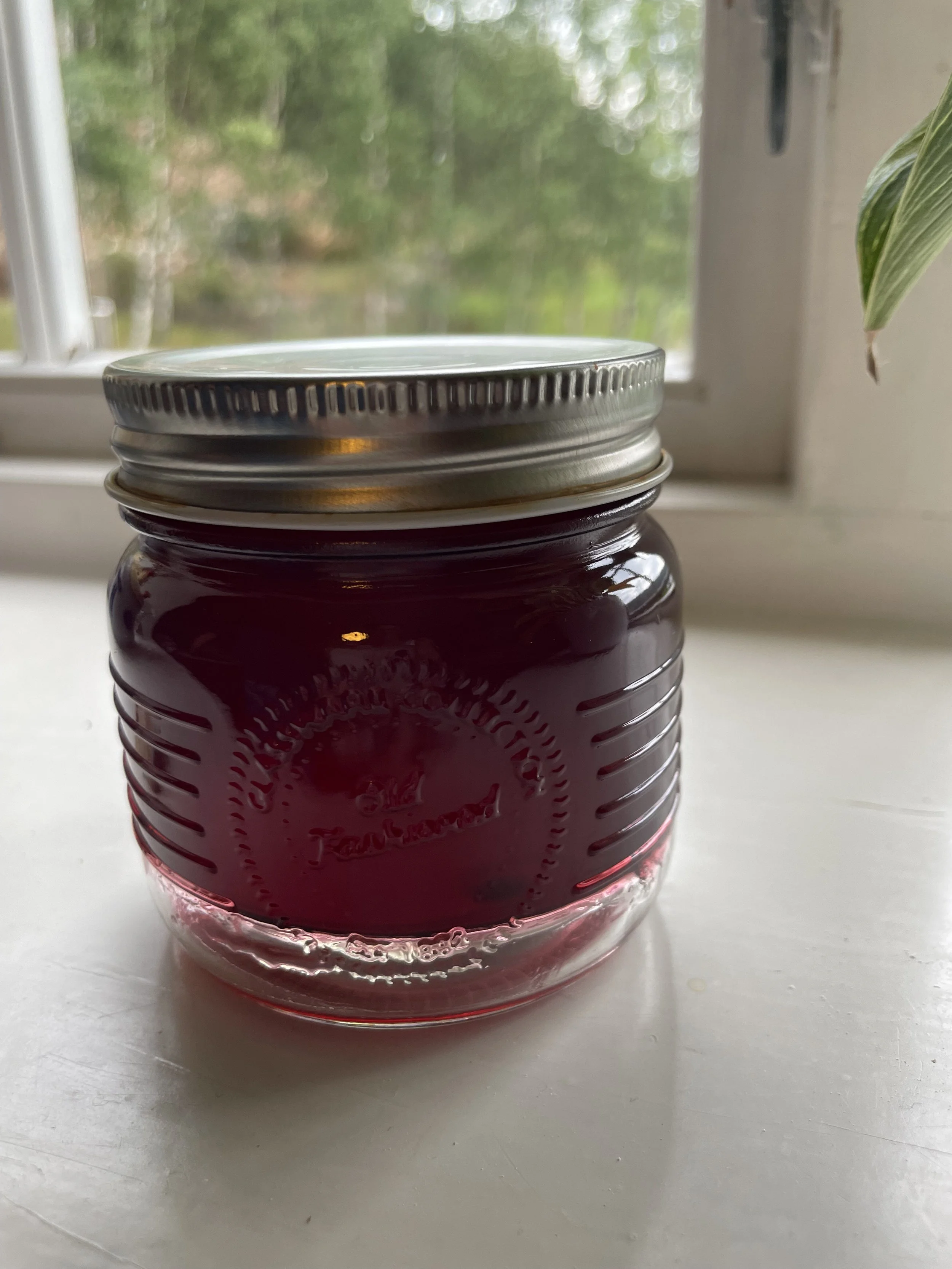
We picked about 15 kilos of rips… which is insane. Just because you can, doesn’t mean you should. Remember, what you harvest, you process. BUT, I juiced it all (thank goodness you don’t have to de-stem these berries), added sugar and cooked it all down in to jelly. The first batch was pretty straight forward, but with 8L of liquid on the second batch, this process took forever, especially since I reduced the sugar. However, the juice cooked down in to a rich and tart jelly that we all quite enjoy! Its darker than normal and tastes great on baked goods and with meat. Yum!
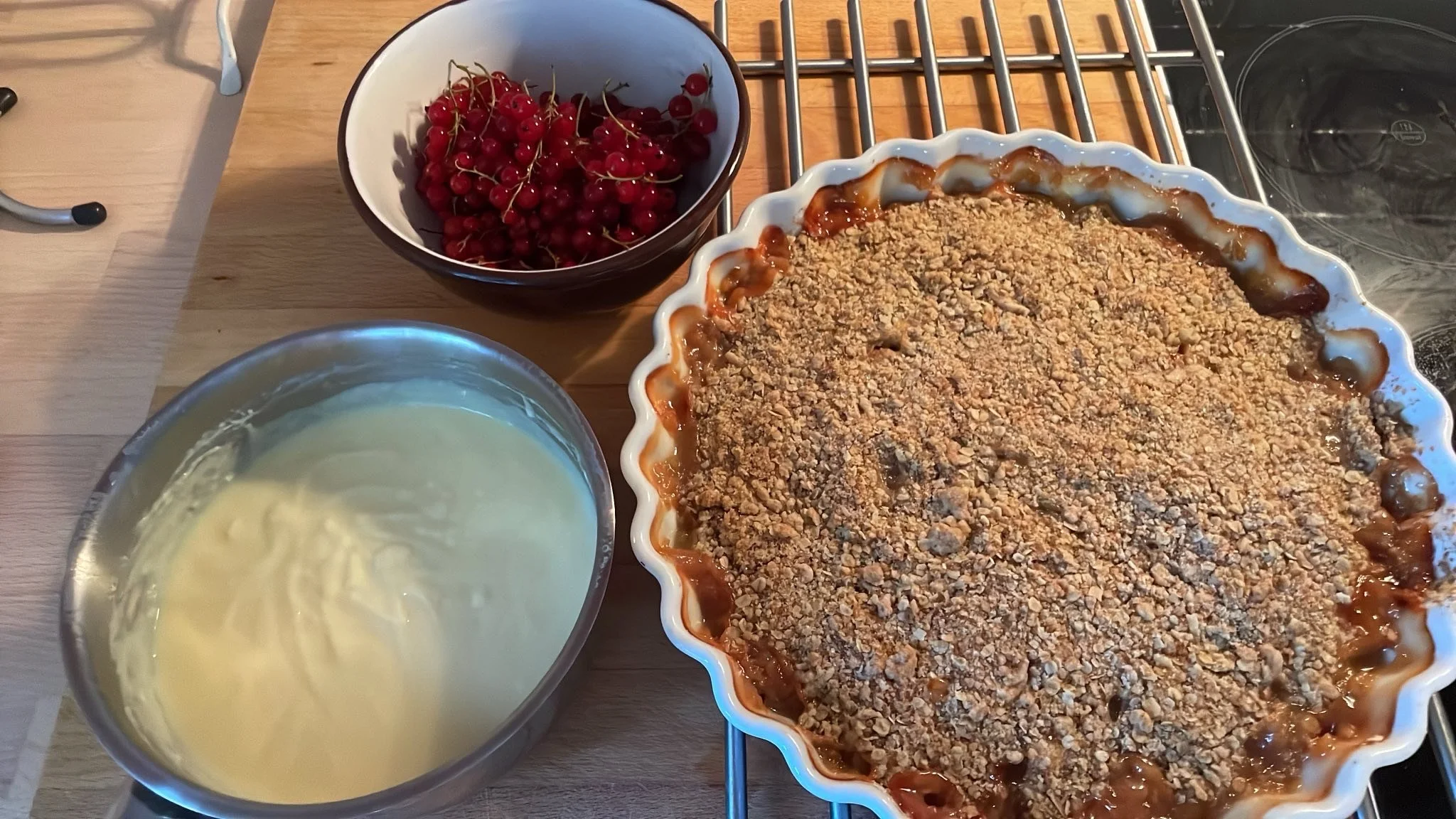
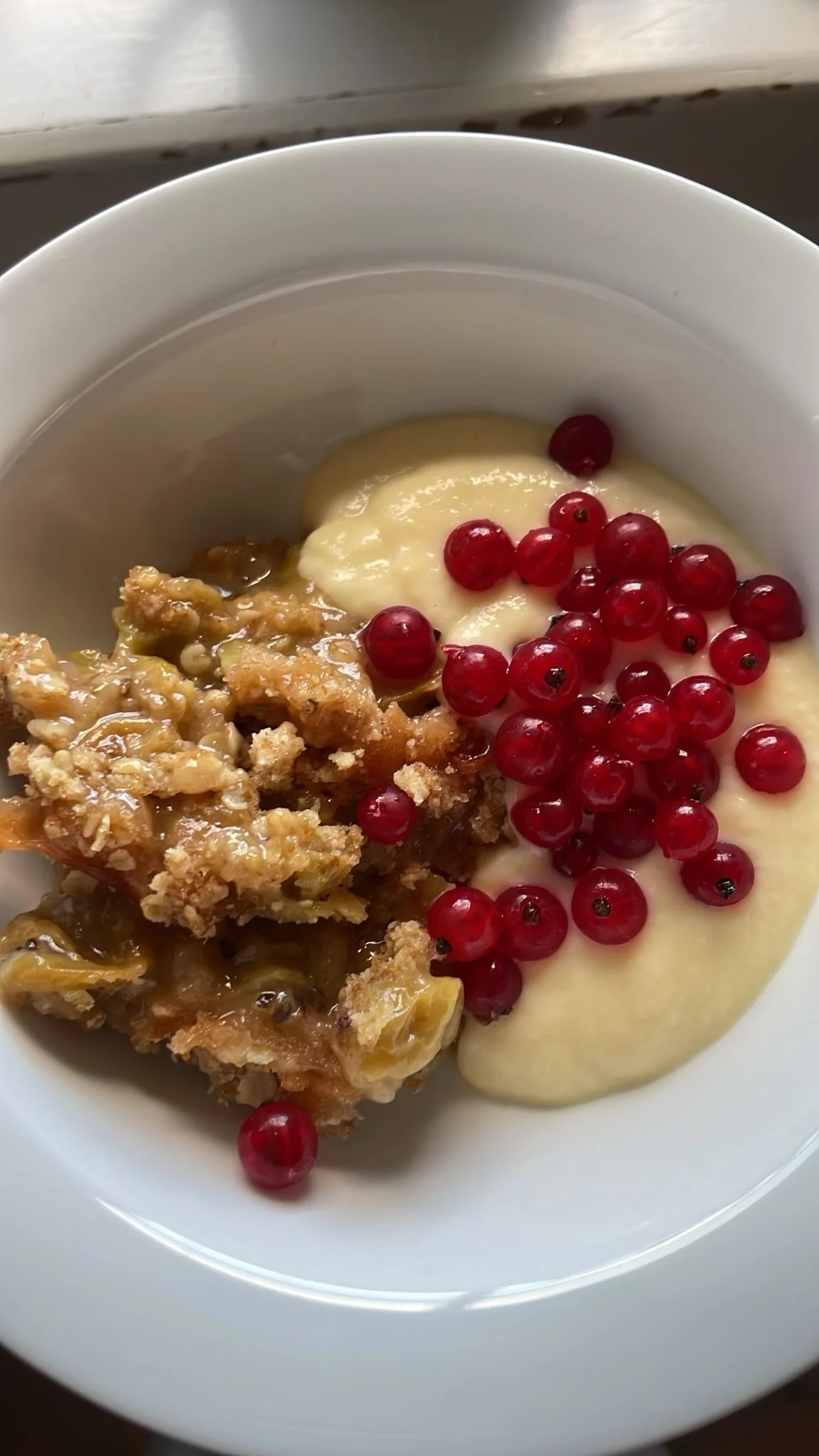
I also learned from a new friend that eating fresh rips with vanilla cream is quite popular. I asked if vanilla cream was the same as custard, but she had never heard of custard and typically buys the cream. My English roots were shaken… I didn’t know it was possible to not know what custard is! With that being said, I made some custard and served it with the rips and it was truly wonderful. I found out that this a traditional German dish. Now my English and German sides can be content.
Red Currants with Vanilla Custard
Red Currant Jelly
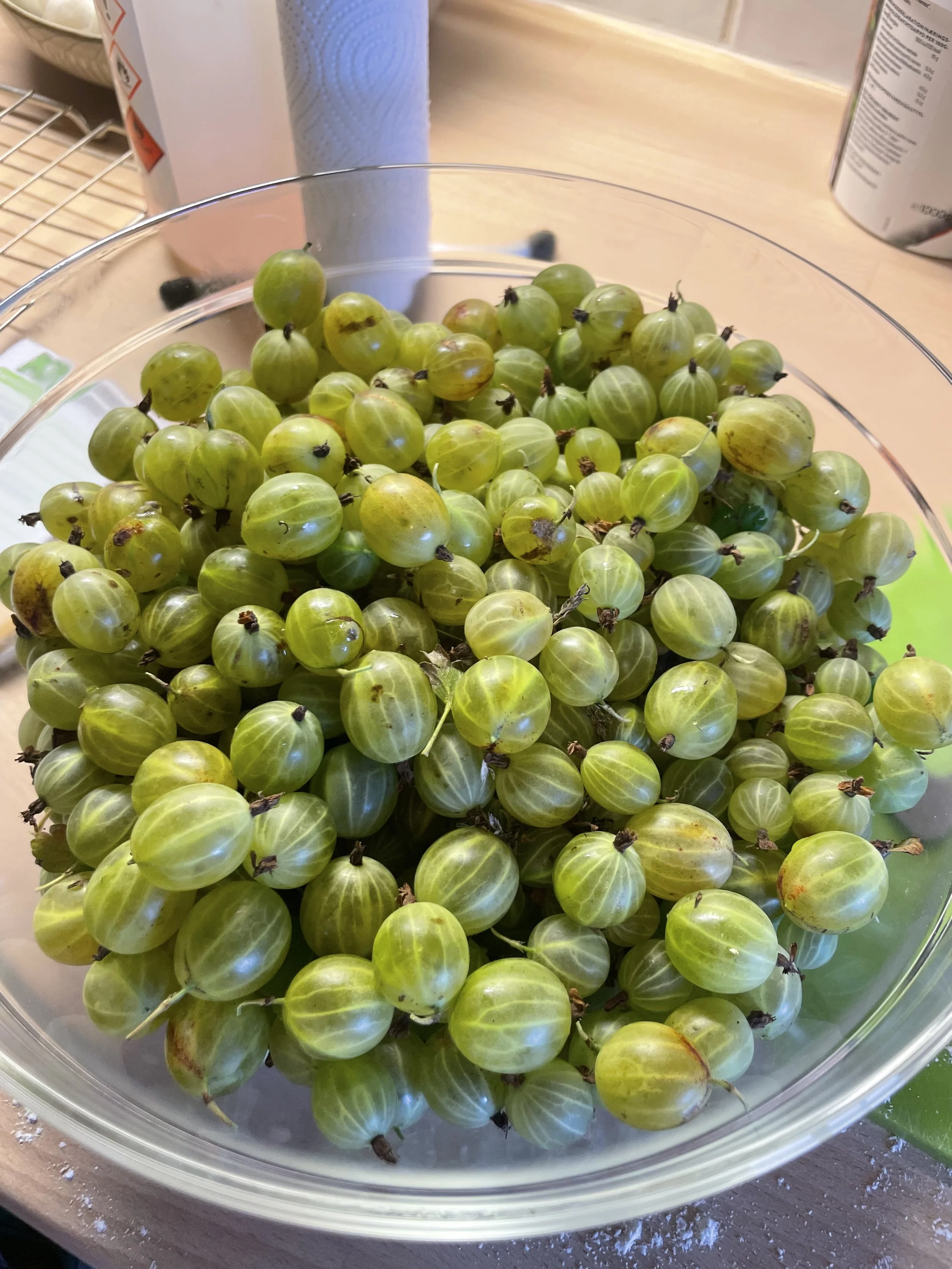
Gooseberry: (norsk: stikklesbær [stih-kuhl-lehz-bair])
Green or red, small stripes (like a watermelon), tart and sweet (like rhubarb)
The neighbor who allowed us to harvest from their rips orchard, also had several stikklesbær bushes. Gooseberry, is not very commonly cultivated in the U.S., at least according to my experience. I’ve picked them off bushes while hiking in Montana, and had a worm-infested plant in my mother’s garden (yuck). I have a friend in Montana that had a bush or two come with their house, but other than that, its not a common berry found on restaurant menus.
When I tasted the stikklesbær, it was so sweet, a bit like a green grape: the outside is tart, but not so crisp as a grape on the inside. We just had to take some home! So, Karalee and I picked two small buckets as fast as we could (since we needed to go), and had enough to snack on and make a truly delicious crisp! We served it along with the rips and vanilla sauce (custard). Wow. The stikklesbær turned out to be a surprising culinary highlight!
Why do you think they call this berry the stikklesbær? Well, I received a few scratches on my hands to prove it is a worthy name; I was ‘stikkled’ a few times while picking.
Here are some other berries we’ve come across, and snacked on, but not harvested:
Crowberry (norsk: krekling [krehk-ling]), which I think tastes quite medicinal and needs, in my opinion, too much sugar to make it worth harvesting.
Cloudberry (norsk: multer [muhl-tur]), which melts in your mouth (a strange sensation), but the flavor just wasn’t a favorite of most of us, Clayton excluded. It’s different, but not amazing. The berry grows in mossy, marshy areas, low to the ground on a single stem. This beautiful mountain berry is a Norwegian favorite during the Christmas season. Maybe I’ll change my mind (and appreciation) soon enough!
I am also looking forward to harvesting lingonberries (norsk: tyttebær [tih-teh-behr]), as we love lingonberry jam with meatballs and waffles, so much so that I’ve typically ordered this specialty online. Now I’m excited to make it myself!
There you have it! Hopefully you learned something new or interesting. Maybe this will inspire you to go out and find what you can harvest too. A fun little side note for any Montana readers. We saw a chokecherry tree, and our friends warned us not to eat it, because it was “poisonous”. Of course, the seed is poisonous (cyanide) if you have too many, but I thought it was very interesting that the Norwegians could have such wide knowledge on so many berries, but the chokecherry was left out. I wonder why?
To learn more:
Read a Harris Family favorite: Christopher’s Garden by Elsa Beskow
Another favorite: Hind’s Feet on High Places by Hanna Hurnard
Norwegian Berry Harvesting